


By SCOTT AUST / Greater Garden City
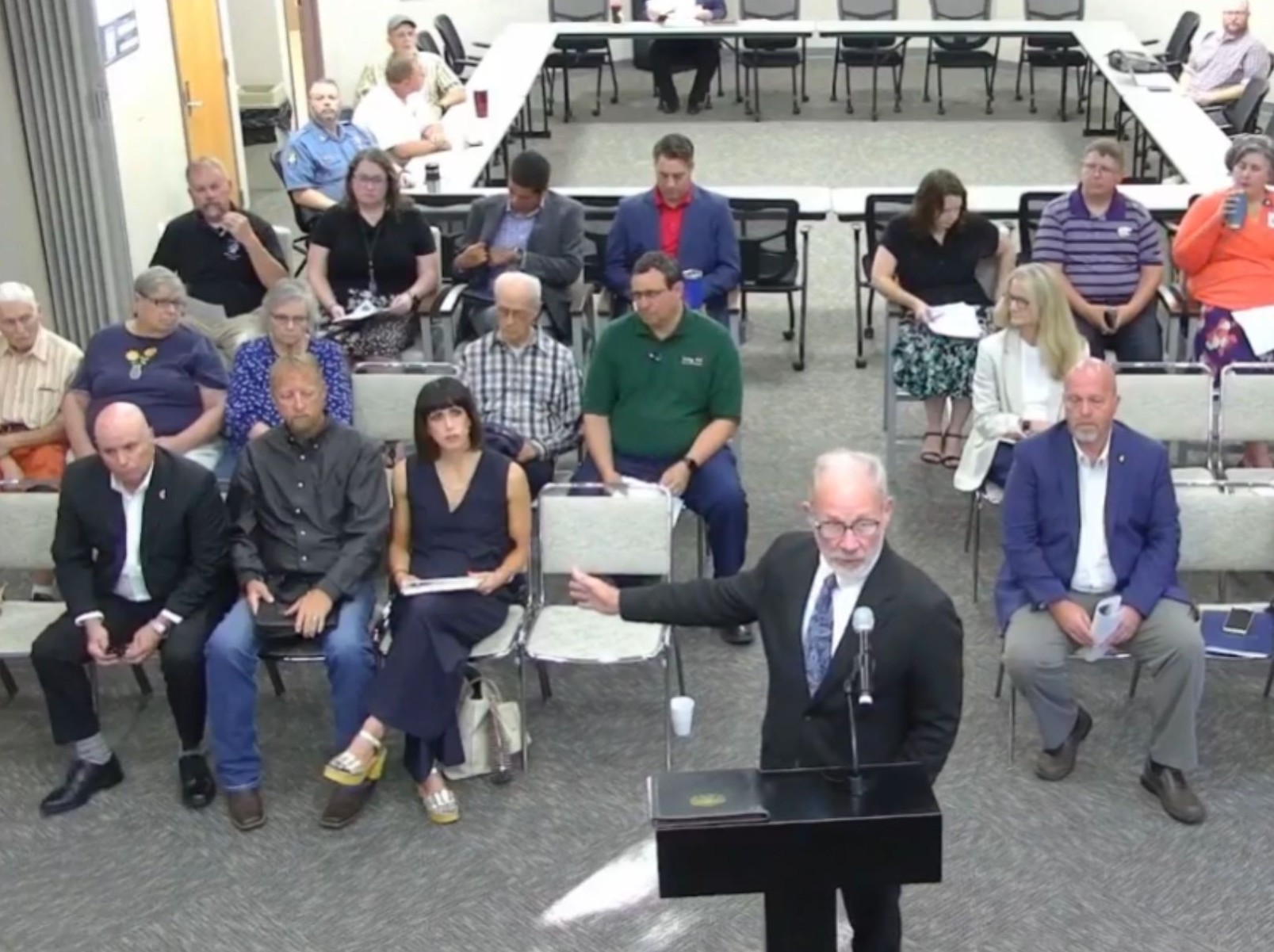
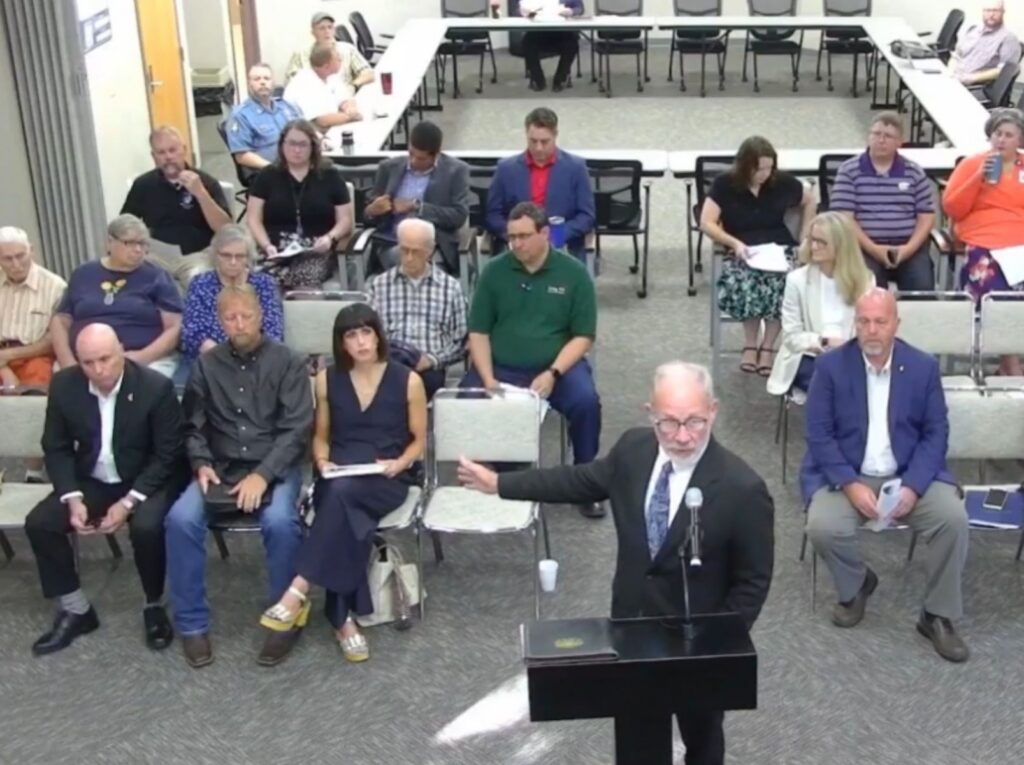
Representatives of Wheatland Electric Cooperative and Sunflower Electric Power Corporation spoke to the Finney County Commission on Monday about their role and the steps they are going through regarding “large load” projects like data centers.
Essentially, the local electric cooperatives are in uncharted territory for these projects and are taking all steps necessary to require them to pay their own way without burdening local ratepayers.
“When you consider, for example, the city of Garden City is about 50, 60 megawatts maybe, and they (large load projects) are asking us for sometimes 500 and above megawatts, it’s just a new thing for us,” Jim McVey, Wheatland’s Assistant General Manager/Counsel said.
Wheatland has been fielding calls from these projects for two years and most “go away” after learning what it will cost them. Under the Retail Electric Suppliers Act, Wheatland has a right and responsibility to serve any load-consuming facility, McVey said.
“If we start trying to pick and choose or run these folks off without being reasonable, the legislature is going to hear about it, and we’re going to lose that right. We’re going to lose the ability in the future to earn margins that can offset what’s coming our way,” he said.
Load Connection Process
Corey Linville, Sunflower’s Senior Vice President and Chief Operations Officer of Power Supply and Generation, reviewed the steps those companies take when there is a request to connect a large electrical load, like a data center.
Linville said several entities are involved in the process. When a large load wants to interconnect to the system, the first contact is typically with the local distribution provider, which in this area is Wheatland Electric. Wheatland is a member/owner of Sunflower Electric, which is the generation and transmission cooperative. Sunflower is a member of the Southwest Power Pool; a regional transmission organization formed in the early 2000s when FERC mandated open access to the electric transmission grid.
SPP provides several services, including providing transmission service across the bulk electric system, studying new interconnection requests to ensure reliability is protected, and managing and administering the wholesale energy market.
The State of Kansas is governed by the Kansas Retail Electric Suppliers Act, Linville said. Territories were created for service providers that also created obligations for providers to provide service within their territories. For example, anyone who wants to connect to a system in the Wheatland service territory must talk to Wheatland and Wheatland is obligated to provide service under an agreed upon pricing structure.
Sunflower, the generation transmission cooperative, has seven member owners, one of which is Wheatland Electric. Each of the member/owners must buy their wholesale generation and transmission from Sunflower, and Sunflower ensures it all meets SPP requirements.
Linville said there are four major components involved in providing electric service to a large load.
- Power Supply. Ensuring there’s adequate generation capacity to serve the load reliably. SPP has a set of rules to make sure adequate generation is available.
- Procure Transmission Service. There needs to be a firm delivery path across the transmission system to get that energy from the generation point to the load user.
- Physical Interconnection Facilities. There needs to be a connection to the electric grid through the conductors, breakers, relays, switches, everything required to physically connect the facility to the grid.
- Retail Electric Service Agreement. This agreement dictates how a large load takes service from the retail provider, and how Sunflower, as the wholesale provider, also plays into that.
Linville said power supply rules were strengthened following Winter Storm Uri in 2021 which caused several generation outages. SPP responded with more stringent resource adequacy rules to ensure adequate generation even during extreme conditions. SPP requires large loads to have enough accredited capacity from their generation to meet summer and winter peak loads, plus a reserve margin.
Numerous comprehensive studies are required for all of those major parts of the process before a large load can connect. When doing these studies, Linville said, if an issue is identified it needs to be mitigated which typically involves either upgrading a facility or building a new facility.
How those upgrades are paid for is dictated in part by the SPP Open Access Transmission Tariff. There are allocation rules which define how much of that cost is paid for by the load that triggers it, the local area, or by spreading the cost over the 17-state area that SPP covers.
“Whoever’s requesting that load service can’t take load service until all those upgrades are completed,” Linville said. “For a large load, we’re talking about very large projects. Sometimes that can take time.”
When it comes to large loads greater than 50MW, contracts have been created that define a higher level of requirements from the customer side to support their service which reduces some of the risks to other customers.
Projects Must Bring Power Generation
One of the biggest requirements for these large load projects is they must bring their own electric generation producers with them.
“They are responsible for finding enough capacity to meet that resource adequacy requirement,” Linville said. “We also require large electric consumers to pay for their share of costs that are triggered by transmission upgrades due to them. If any of those upgrades we talked about earlier get allocated to Sunflower, we’re going to pass those through directly to that large consumer. We’re not going to subject our other members to any cost associated with those upgrades that otherwise wouldn’t have been there, but for that large electric consumer connecting to the grid.”
McVey agreed. He said that large load projects are going to be paying the lion’s share of the cost for the load put on the grid.
“They pay for any of those upgrades to our system. Anything that’s going to cost our members … a penny is going to be paid for by those developers,” he said.
McVey said because of the risks that Wheatland and Sunflower face due to these new large users, there will be a retail “adder” used to protect existing customers. The retail adder to the rate paid by the developer will be significant and designed to capture the associated risk. McVey said it will generate a significant margin that will allow Wheatland to keep member rates stable for a longer period.
Large load developers will also have a special capital credit allocation and retirement system that will not endanger those of native members, he said, and thereby not jeopardize Wheatland’s finances.
“Another way we have to look at this: there’s nothing else out there. There is nothing else out there that would allow us to charge a margin that we’re going to charge these folks that’s going to keep us and keep our rates stable,” he said. “There’s just no other load out there, and we’re going to take advantage of it. But if they come to our area, they’re going to pay.”
Linville said ultimately the rate for a large load customer will include them paying for all their electric generation separately. Any SPP transmission charges will be passed through to that customer. Any energy charges associated with Sunflower’s participation in the SPP market will be passed through. And there will be a wholesale adder which will go to Sunflower, in addition to the retail adder.
“Ultimately, the revenue that we earn at both the Sunflower and the Wheatland level will ensure that our other members are benefitting from this load being there, from that extra revenue to help keep our rates as low as we can,” Linville said.
Grid Pressures
Linville said data centers are not the only factor putting pressure on power providers and electric grids nationwide. Aging infrastructure is also a factor with transmission and generation facilities 60 years old or more. Eventually, that infrastructure is going to need to be replaced. He said there’s already significant demand for new generation and transmission which play a part in driving up prices.
The cooperatives are trying to be as efficient and effective in using new technology as they can to help keep member rates as low as possible. Linville said additional revenue due to these large load developments may help pay for those infrastructure needs.
“For these large customers, if we can add a premium, that additional margin helps us offset some of these rate pressures for the other members that we have that pay our rates,” Linville said. “From that perspective, we see this as a potential benefit to keep rates lower than they otherwise would have been.”
In response to a question about Sunflower’s Holcomb to Sidney transmission line, Linville said that project is unrelated to data centers or similar large load customers.
The Holcomb to Sidney Line is an approximately 360-mile, 345-kilovolt (kV) transmission project directed by the Southwest Power Pool. Costing over $1 billion, it will connect Holcomb to Sidney, Neb, to enhance grid reliability, increase energy capacity, and prevent power outages during extreme weather events such as Winter Storm Uri.
“Like I said, there’s a lot of pressures that are going to drive rates up, regardless of what happens with large loads,” Linville said. “We think that the large loads will actually help us offset some of those costs, and we are doing our best to ensure that all the costs that they trigger are going to be paid for by them, and then we’ll earn that additional margin through the adder that we have.”
Water Use
Water is also important to Wheatland.
“Wheatland is more than just an electric distribution provider. We also operate a public water supply system,” Luke West, Wheatland’s Director of Corporate Services and the Water Division, said. “We are committed not only to providing safe and reliable electric service, but also to being responsible stewards of the region’s groundwater resources.”
Wheatland serves four wholesale water customers: the City of Garden City, Tyson Foods, Finney County Rural Water District, and Sunflower Electric.
“Water is definitely one of the concerns that Wheatland looks at very carefully when these projects come along. We have a very mindful eye to that,” West said.
In addition to the many conservation initiatives already implemented by our water division to help sustain the aquifer for future generations, West said, Wheatland is always interested in supporting projects that can further conserve this valuable resource while helping ensure a reliable water supply for the agricultural producers, communities, and industries that depend on it.
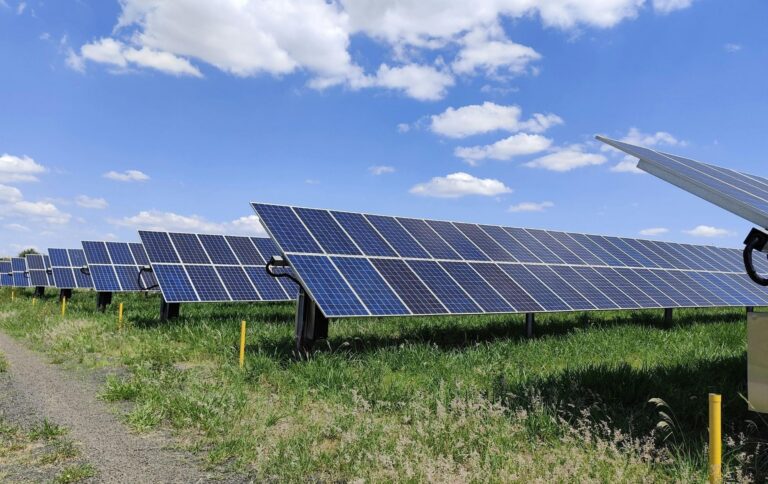
One of the most recent examples of that commitment, he said, is partnering on the Lone Bison solar project, which could conserve more than a billion gallons of groundwater annually by reducing demand for irrigation.
“Part of that project is being developed on property that Wheatland determined was well suited for an alternative use and can provide a great contribution to the longer-term sustainability of the aquifer in that area,” West said.
Wheatland has taken steps to educate its customers about large load users through direct mail postcards, electric bill inserts, and its website. Alli Conine, Wheatland’s Director of Member Services and Corporate Communications, said the website addresses frequently asked questions about large load economics, reliability, cost responsibility, Wheatland’s obligations, and why it simply cannot refuse service. She said there is also an article in the July issue of the Kansas Country Living magazine that addresses electric industry issues.

+ There are no comments
Add yours